
What Are Window Films for Home?
October 23, 2026
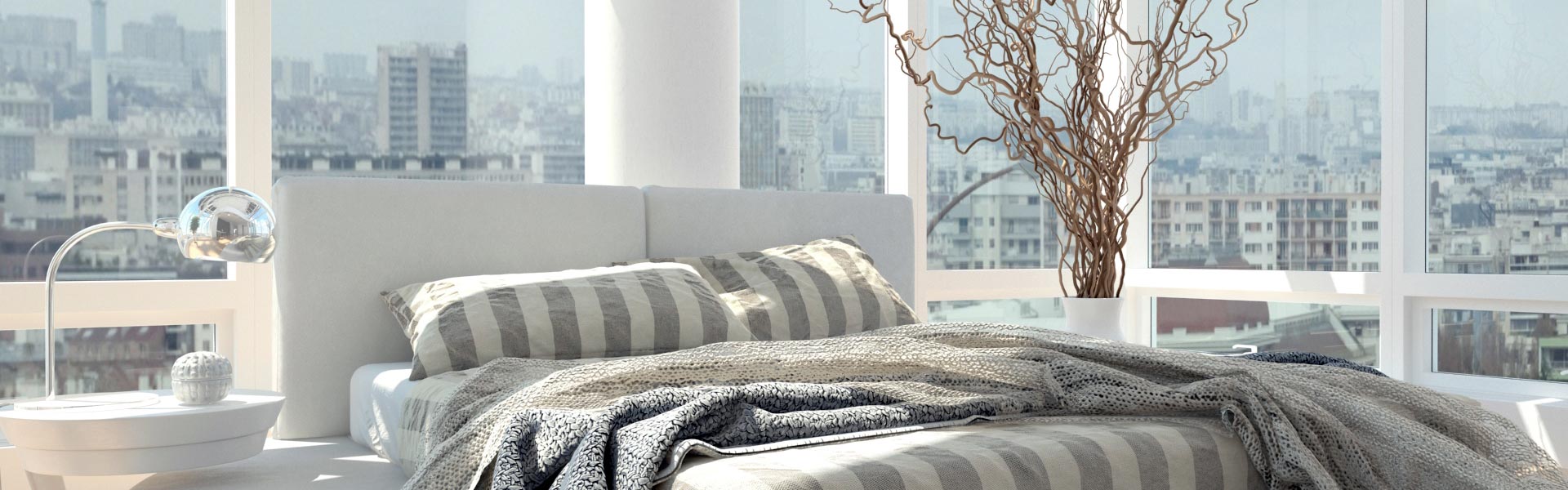
Windows bring natural light into your home, connect your interior spaces with the outdoors, and help create a bright, welcoming atmosphere. However, direct sunlight can also cause glare, increase indoor heat, reduce privacy, and contribute to fading furniture, flooring, and artwork.
Residential window films offer a practical way to address these concerns without replacing your existing windows. Depending on the type you choose, window film can help control sunlight, reduce glare, improve daytime privacy, and protect your interior furnishings from UV exposure.
In this guide, we’ll explain what window films are, the different types available, their benefits, and how to decide whether window film is the right solution for your home.
What Are Residential Window Films?
Residential window films are thin, specially engineered layers of material applied directly to glass. They are designed to change how sunlight passes through your windows while preserving the benefits of natural light.
Unlike blinds, shades, or curtains, window films do not need to be opened or closed. Once installed, they provide continuous performance without taking up additional space around your windows.
Depending on the product, window films can help:
- Reduce glare on television screens, computers, and other displays.
- Block a significant percentage of UV radiation that contributes to fading.
- Reduce unwanted solar heat entering through windows.
- Increase daytime privacy without completely obstructing your view.
- Add decorative finishes to glass surfaces.
- Help hold broken glass fragments together when certain safety films are used.
Not every window film provides all these benefits. Choosing the right product depends on your windows, the direction they face, and your priorities for comfort, privacy, and appearance.
What Are the Different Types of Window Films?
Residential window films are available in several varieties, each designed to address different needs.
1. Solar Control Window Film
Solar control window film is designed to reduce the amount of solar energy entering your home. Depending on its specifications, it can reflect or absorb some of the sun’s energy before it heats your interior.
This type of film can be particularly useful for rooms with large windows, sunrooms, and south- or west-facing living spaces that become uncomfortable during sunny afternoons.
Benefits may include:
- Reduced solar heat gain.
- Improved comfort in sun-exposed rooms.
- Less glare from direct sunlight.
- Potentially reduced demand for air conditioning.
Performance varies by film type and existing glass. In cooler climates such as Vancouver, it is important to consider both summer heat control and the potential loss of useful winter sunlight.
2. UV Protection Window Film
Ultraviolet (UV) radiation can contribute to the fading and deterioration of interior furnishings over time. Fabrics, carpets, hardwood floors, photographs, artwork, and other materials may all be affected by prolonged exposure to sunlight.
UV protection window films are designed to filter UV radiation while allowing natural light into your home. Some products block more than 99% of UV rays.
This makes them worth considering for rooms with large windows, valuable artwork, delicate fabrics, or furniture positioned in direct sunlight.
Although UV protection can help slow fading, it cannot eliminate it entirely. Visible light, heat, and other environmental factors can also affect colours and materials.
3. Privacy Window Film
Privacy window films can help limit visibility through glass while maintaining a bright interior. They are available in frosted, translucent, reflective, and decorative finishes.
Different options serve different purposes:
- Frosted film: Obscures clear views through the glass while allowing diffused light to enter. It is popular for bathrooms, entryways, and glass partitions.
- Reflective film: Creates a mirrored appearance under suitable lighting conditions and can provide daytime privacy.
- Decorative film: Adds patterns, textures, or a more distinctive design to glass surfaces.
One important consideration is that reflective privacy films generally depend on the difference in lighting between the inside and outside. They should not be relied on for nighttime privacy when interior lights are on.
For bedrooms and other spaces requiring privacy after dark, window films can be combined with blinds, shades, or drapery.
4. Safety and Security Window Film
Safety and security films are designed to help hold glass fragments together if the glass breaks. Depending on the product and installation, they may help reduce the risk of scattered shards following an impact.
These films may be worth considering for certain ground-floor windows, glass doors, and other vulnerable glazed areas.
However, standard security film does not make glass unbreakable or guarantee protection against forced entry. Performance depends on the film, the glass, the attachment system, and the type of impact. Homeowners seeking a specific level of protection should consult a qualified professional about suitable products.
5. Decorative Window Film
Decorative films offer a simple way to change the appearance of glass without replacing it.
Available finishes include frosted glass effects, geometric patterns, subtle textures, and other designs. They can be used on bathroom windows, sidelights, interior glass doors, and partitions.
Decorative films are particularly useful when you want additional privacy or visual interest without introducing bulky window coverings.
What Are the Benefits of Window Film for Your Home?
The right window film can improve several aspects of your living environment.
Reduce Glare While Keeping Natural Light
Bright sunlight can make it difficult to watch television, work on a computer, or enjoy a comfortable afternoon in your living room.
Solar control films can reduce glare while allowing daylight to enter. This can help you enjoy your windows and outdoor views without relying entirely on closed blinds or curtains.
Help Protect Furniture and Flooring
Sunlight can gradually fade upholstery, curtains, carpets, wood finishes, and artwork. UV-filtering window films help reduce one of the factors contributing to this damage.
For homeowners who want to preserve their interior furnishings, window film can provide an additional layer of protection without covering the glass.
Improve Comfort in Sunny Rooms
Windows can be a major source of unwanted solar heat during warmer months. Depending on the product, solar control film can reduce heat gain and help make sun-exposed rooms more comfortable.
Results depend on the glass, the orientation of the windows, the amount of sunlight, and the film selected. Window film should not be viewed as a guaranteed way to eliminate hot or cold spots or substantially lower energy bills.
Add Privacy Without Bulky Window Coverings
Frosted and other privacy films can be useful where traditional window coverings are inconvenient or would interfere with the appearance of the space.
For example, frosted film can provide privacy on a bathroom window while still allowing natural light to enter. It can also be used on glass doors and partitions to create a more defined, private space.
Maintain a Clean, Uncluttered Appearance
Because window film is applied directly to glass, it does not require curtain rods, brackets, or additional space around the window.
This makes it an appealing option for homeowners who prefer a minimalist look or want to preserve unobstructed views.
Window Film vs. Blinds and Curtains: Which Is Better?
Window film and traditional window coverings serve different purposes. The best choice depends on what you want to achieve.
Window film is ideal when your priority is continuous UV protection, reduced glare, solar control, or a privacy finish applied directly to the glass.
Blinds and shades offer adjustable control over light and privacy. You can raise, lower, or adjust them depending on the time of day and how you use the room.
Curtains and drapery provide a decorative finishing touch and can offer additional privacy, light blocking, and thermal benefits when the appropriate fabric and lining are selected.
For many homes, combining window film with custom blinds or drapery provides the greatest flexibility. Window film can help manage sunlight throughout the day, while window coverings allow you to control privacy, light, and the overall look of the room.
Is Window Film Right for Your Vancouver Home?
Window film can be a useful upgrade for many Vancouver-area homes, particularly those with large windows, bright living spaces, or rooms that experience excessive glare.
Before choosing a product, consider the following questions:
- Which direction do your windows face?
- Does direct sunlight make certain rooms uncomfortably warm?
- Are your furniture, flooring, or artwork exposed to prolonged sunlight?
- Do you need privacy during the day, at night, or both?
- Do you want to maintain a clear outdoor view?
- What type of glass do you currently have?
The last question is particularly important. Some films are not suitable for every glass type, insulated glazing unit, or window configuration. Certain films can increase thermal stress on glass, so compatibility should be confirmed before installation.
A professional consultation can help you identify an appropriate film based on your existing windows, your goals, and the look you want to achieve.
Can Window Film Be Installed on Existing Windows?
In many cases, yes. Residential window film is designed to be applied to suitable existing glass, making it a potential alternative to replacing windows solely to address glare, UV exposure, or privacy concerns.
Professional installation generally involves cleaning the glass, preparing the surface, carefully applying the film, and removing air and excess solution to achieve a smooth finish.
Before installation, the window film should be matched to the glass specifications and the intended application. Some products are intended for interior installation, while others are designed for exterior use.
Professional advice is especially valuable for large windows, specialty glazing, and projects where appearance and long-term performance are important.
How to Choose the Right Window Film
Start by identifying the main problem you want to solve. If a room gets too much afternoon sun, solar control film may be appropriate. If you are concerned about fading, prioritize a product with strong UV-filtering performance. For bathrooms or street-facing windows, consider frosted or other privacy-focused films.
Next, consider how much visible light you want to retain. Darker or more reflective films may change the appearance of your windows, while clearer films can preserve a more natural view.
Finally, check the product specifications, glass compatibility, warranty, and installation requirements before making a decision.
If you also need adjustable privacy, blackout capability, or a decorative finish, custom blinds and drapery may complement your window film rather than replace it.
Explore Window Film Solutions with Arlene’s Interiors
Window film can be a practical addition to your home, helping you manage sunlight, reduce glare, protect interior furnishings, and enhance privacy without replacing your existing windows.
At Arlene’s Interiors, we help homeowners explore window film and custom window covering options suited to their homes, preferences, and functional needs. Whether you are looking to protect your furnishings from UV exposure, improve comfort in a sunny room, or combine window film with beautiful blinds and drapery, our team can help you explore the available options.
Ready to find the right window film for your home?
Contact Arlene’s Interiors to discuss your needs and arrange a complimentary in-home consultation.
Call 604-753-7994 or visit our window film page to learn more about residential window film solutions.
You can also explore our custom window blinds and custom drapery to find complementary solutions for your home.