
How to Choose Window Coverings for West Coast Weather
January 22, 2026
Living on the West Coast means experiencing unique weather patterns that can significantly impact your home’s comfort and energy efficiency. From Vancouver’s notorious rainy seasons to the intense summer sun that floods through west-facing windows, choosing the right window coverings isn’t just about aesthetics – it’s about creating a comfortable, energy-efficient living space year-round.
Understanding West Coast Weather Challenges
The West Coast presents a unique combination of weather conditions that your window treatments need to handle. Our mild, wet winters bring months of rain and overcast skies, while summers deliver long daylight hours with intense UV rays. Add in the humidity from ocean proximity and the dramatic temperature swings between seasons, and you’ll understand why standard window coverings don’t always cut it here.
The key is selecting treatments that can adapt to these changing conditions while protecting your home and furnishings from moisture, sun damage, and heat loss.
Rain and Moisture Considerations
With Vancouver receiving an average of 161 rainy days per year, moisture resistance should be at the top of your priority list. Windows often develop condensation during our wet, cooler months, and the last thing you want is window treatments that absorb moisture, develop mildew, or warp.
Best moisture-resistant options:
Vinyl and faux wood blinds excel in high-moisture environments. Unlike real wood, these materials won’t warp, crack, or discolor when exposed to humidity or condensation. They’re particularly ideal for bathrooms, kitchens, and any room where condensation regularly appears on windows.
Aluminum window blinds offer another excellent moisture-resistant choice. They’re durable, easy to clean, and completely impervious to water damage. For coastal homes where salt air adds another layer of concern, aluminum blinds maintain their appearance and functionality for years.
Cellular shades with moisture-resistant fabrics provide insulation benefits while standing up to damp conditions. Look for shades specifically designed with moisture barriers or those made from synthetic materials rather than natural fibers.
Materials to approach cautiously:
Natural wood blinds, while beautiful, can be problematic in rooms with high moisture levels or significant window condensation. If you love the wood look, reserve these for drier rooms or consider faux wood alternatives that capture the aesthetic without the vulnerability.
Untreated fabric draperies can absorb moisture and may develop mildew in particularly damp rooms. If you choose fabric treatments, ensure they have moisture-resistant linings or treatments, and maintain proper ventilation.
Maximizing Natural Light During Dark Months
Our West Coast winters can feel endlessly gray, making natural light precious during the darker months. The right window coverings allow you to capture every bit of available daylight while still maintaining privacy and insulation.
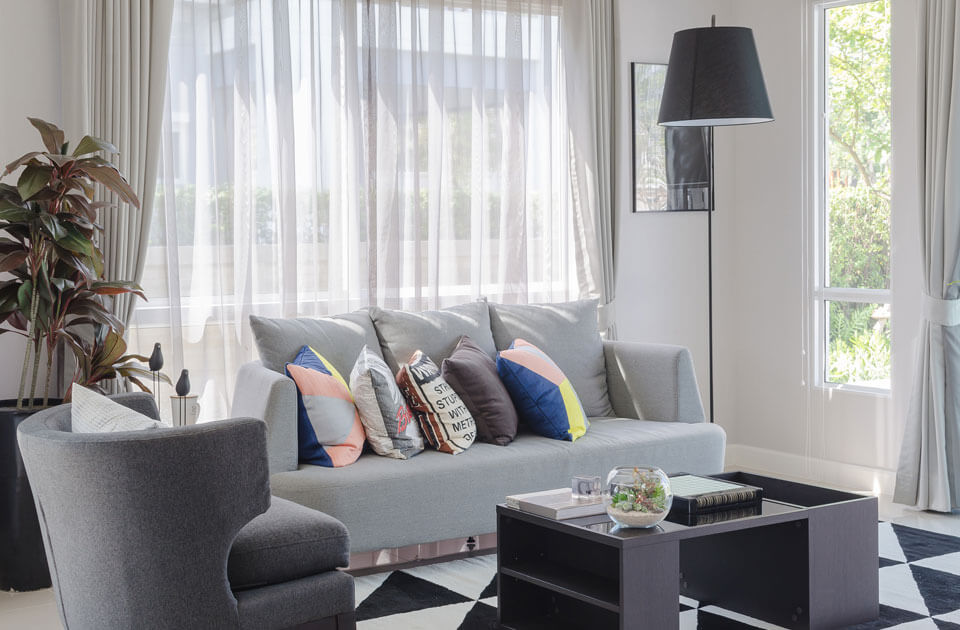
Sheer curtains or light-filtering shades work beautifully for daytime privacy without blocking natural light. They diffuse incoming light, creating a soft, welcoming glow throughout your space while preventing harsh glare on the rare sunny winter day.
Top-down, bottom-up shades offer incredible versatility. Lower the top portion to let light stream in through upper windows while keeping the bottom raised for privacy. This design is particularly useful for street-facing windows or ground-floor rooms where you need privacy without sacrificing natural light.
Layered window treatments give you ultimate control. Combine sheer panels or light-filtering blinds with heavier drapes that can be pulled back during the day. This approach allows you to maximize daylight when it’s available and add insulation during dark evenings.
Light-colored or reflective treatments help bounce available light deeper into your rooms. White, cream, and pale gray window coverings amplify whatever natural light enters, making spaces feel brighter and more open during overcast days.
Sun Protection for Bright Summer Months
West Coast summers bring intense, prolonged sunlight that can fade furniture, overheat rooms, and create uncomfortable glare. Effective sun protection becomes essential, especially for south and west-facing windows.
Cellular shades with high UV protection ratings block harmful rays while maintaining insulation properties. The honeycomb structure traps air, helping keep summer heat outside while protecting your furnishings from sun damage.
Solar shades reduce heat and glare while preserving your views. Available in various opacity levels, they filter sunlight without completely blocking your connection to the outdoors. They’re particularly effective for rooms with beautiful views you don’t want to sacrifice.
Motorized blinds or shades offer convenient sun control throughout the day. Program them to automatically adjust based on sun position, protecting your home during peak heat hours without requiring constant manual adjustment.
UV-protective window film can be paired with other treatments for additional defense. Applied directly to glass, these films block up to 99% of UV rays while remaining virtually invisible, making them an excellent complement to lighter, more decorative window coverings.
Energy Efficiency and Insulation
Despite our mild climate, West Coast homes still experience significant temperature variations between seasons. The right window coverings can dramatically reduce heating and cooling costs while improving comfort.
Honeycomb or cellular shades are among the most energy-efficient options available. Their distinctive structure creates insulating air pockets that buffer temperature transfer through windows. Single-cell shades offer good insulation, while double-cell versions provide even greater energy efficiency – worth considering for poorly insulated older homes.
Thermal-lined draperies add substantial insulation value when closed. The lining creates a barrier against heat transfer, keeping warmth inside during winter and blocking heat during summer. For maximum effectiveness, ensure drapes extend beyond the window frame and hang close to the wall, minimizing air gaps.
Roman shades with thermal backing combine style with function. They provide a tailored, sophisticated appearance while offering insulation benefits comparable to cellular shades when fully lowered.
Proper installation significantly impacts energy efficiency. Even the best insulating window treatments lose effectiveness with gaps around edges. Professional installation ensures proper fit and mounting for maximum energy savings.
Managing Glare and Views
The West Coast offers stunning natural scenery, from mountain vistas to ocean views. Your window treatments should manage glare and harsh light without completely obscuring these views.
Sheer or semi-sheer draperies soften intense light while maintaining visibility. They’re particularly effective when you want gentle light diffusion without completely blocking your connection to the outdoors.
Adjustable blinds and shutters offer precise light control. Tilt slats to redirect light upward toward ceilings or downward toward floors, reducing glare on screens and surfaces while still allowing views and natural light.
Dual shades combine sheer and blackout fabrics in one unit, letting you choose between filtered light with views or complete privacy and darkness. This versatility makes them ideal for multi-purpose rooms or bedrooms where needs change throughout the day.
Graduated or bottom-up treatments address glare from low-angle morning and evening sun while keeping upper portions open for sky views and additional light.
Style Considerations for Coastal Living
West Coast design aesthetics tend toward natural, relaxed sophistication that complements our stunning outdoor environment. Your window treatments should enhance this connection rather than competing with it.
Natural textures and materials resonate with coastal design sensibility. Consider linen-look fabrics, woven wood shades, or bamboo blinds that echo organic elements while standing up to our climate when properly treated.
Neutral and nature-inspired color palettes work beautifully on the West Coast. Whites, creams, soft grays, and blues create serene spaces that feel connected to the ocean and sky outside your windows.
Minimalist treatments maintain clean sightlines and uncluttered aesthetics. Roller shades, panel track systems, and simple cellular shades provide function without visual weight, keeping focus on your views and interior design.
Layering creates depth and flexibility. Combine functional treatments like cellular shades or blinds with decorative drapery panels that can be drawn back to frame windows and views while still providing options for privacy and light control.
Practical Tips for West Coast Homeowners
Consider room-by-room needs: Living rooms may prioritize views and natural light, bedrooms need blackout capabilities, and bathrooms require moisture resistance and privacy.
Think about maintenance: Our wet climate means regular cleaning to prevent dust accumulation and potential mildew. Choose treatments that are easy to wipe down or vacuum.
Plan for the long term: Quality window coverings represent a significant investment. Select durable materials and timeless styles that will serve you well for years.
Don’t forget motorization: For hard-to-reach windows or rooms where you frequently adjust treatments throughout the day, motorized options add convenience and ensure you’ll actually use your window coverings effectively.
Work with local experts: West Coast-specific experience matters. Local window treatment professionals understand our unique climate challenges and can recommend solutions that work specifically for this region.
Making Your Decision
Choosing the right window coverings for West Coast weather requires balancing multiple factors: moisture resistance, light control, insulation, style, and budget. The good news is that modern window treatment technology offers solutions that check multiple boxes simultaneously.
Start by assessing your specific needs room by room. Which windows get the most sun? Where do you need the best insulation? Which rooms experience the most condensation? Understanding these unique conditions helps narrow your options to treatments that will perform best in each space.
Consider your long-term plans as well. Quality window coverings should last 10-15 years or more. Investing in durable, climate-appropriate treatments saves money over time while ensuring your home remains comfortable and energy-efficient through all seasons.
Finally, don’t hesitate to consult with window treatment professionals who understand West Coast conditions. They can assess your specific situation, recommend appropriate solutions, and ensure proper installation for optimal performance. The right guidance up front prevents costly mistakes and ensures you’ll love your window treatments for years to come.
Ready to find the perfect window coverings for your West Coast home? Contact Arlene’s Interiors for a free consultation. With over 35 years of experience serving the Greater Vancouver Area, our team understands exactly what works in our unique climate. Call us at 604-753-7994 or visit our showroom to explore options tailored to West Coast living.